


The Complete Guide to Lean Six Sigma Yellow Belt Certification: Transform Your Career in 2025
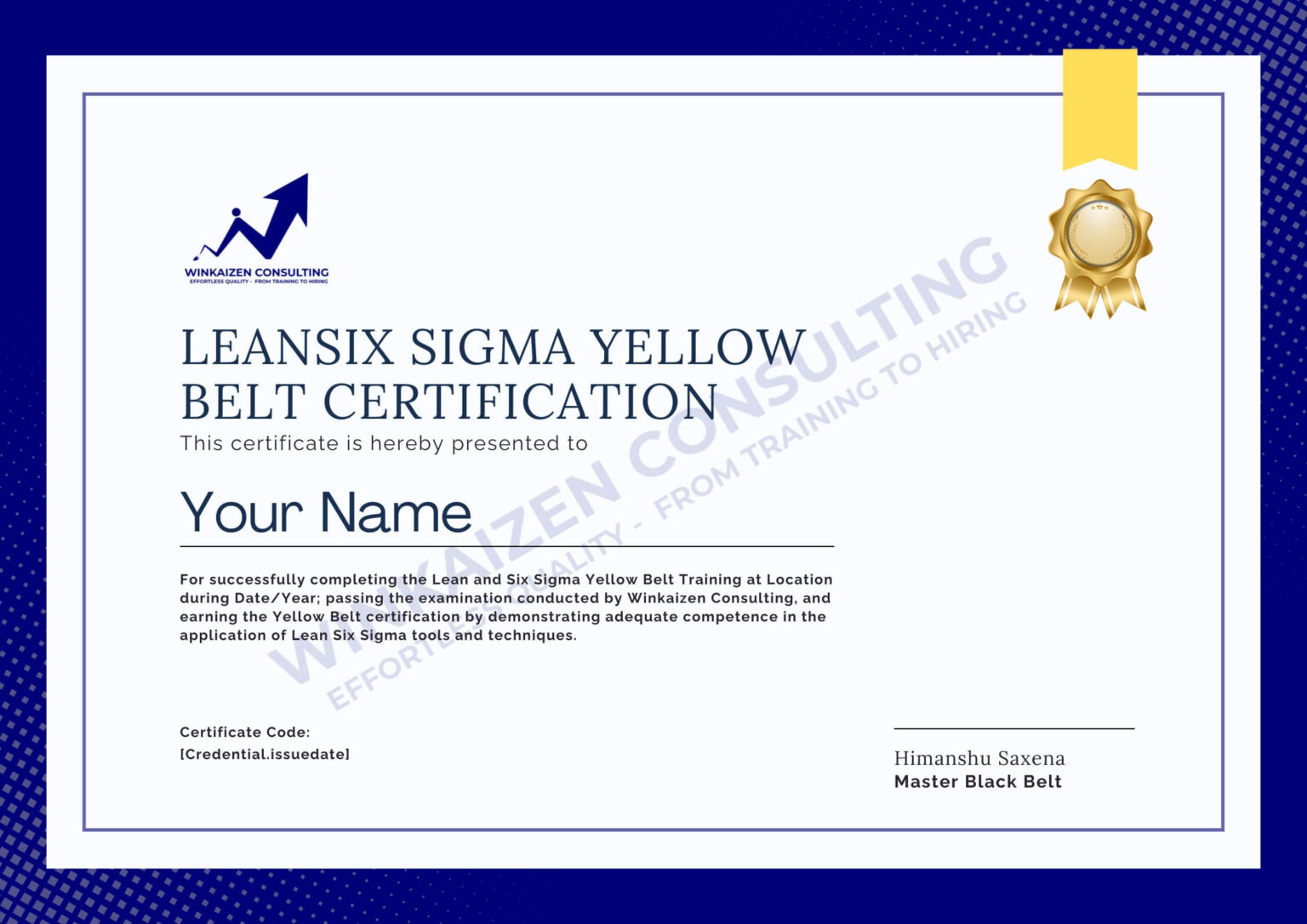
Are you looking to enhance your professional skills and stand out in today's competitive job market? Lean Six Sigma Yellow Belt certification might be the career catalyst you've been searching for. In this comprehensive guide, we'll explore everything you need to know about this valuable credential, from what it entails to how it can boost your earning potential and career prospects.
What is Lean Six Sigma Yellow Belt?
Lean Six Sigma Yellow Belt represents the foundational level of Six Sigma certification, designed for professionals who want to understand process improvement methodologies and contribute effectively to organizational efficiency initiatives. Think of it as your entry ticket into the world of systematic problem-solving and data-driven decision-making.
Unlike more advanced certifications like Green Belt or Black Belt, the Yellow Belt doesn't require extensive statistical expertise or years of experience. It's specifically crafted for team members who support process improvement projects, work alongside certified professionals, or want to introduce quality management principles into their daily work.
The Lean Six Sigma Philosophy
Before diving deeper, let's understand what makes Lean Six Sigma so powerful:
Lean focuses on eliminating waste and streamlining processes. It's about doing more with less—removing steps that don't add value to the customer.
Six Sigma emphasizes reducing variation and defects through data analysis and statistical tools. The goal? Near-perfect quality (3.4 defects per million opportunities).
When combined, these methodologies create a powerful framework for organizational excellence that's been adopted by companies worldwide, from manufacturing giants like Toyota and General Electric to healthcare systems, financial institutions, and tech companies.
Why Should You Pursue Lean Six Sigma Yellow Belt Certification?
1. Universal Applicability Across Industries
One of the most compelling reasons to earn your Yellow Belt certification is its versatility. These skills translate across virtually every sector:
- Manufacturing: Optimize production lines and reduce defects
- Healthcare: Improve patient care processes and reduce waiting times
- IT & Technology: Streamline software development and reduce bugs
- Finance: Enhance transaction processing and compliance procedures
- Retail: Optimize inventory management and customer service
- Education: Improve administrative processes and student outcomes
No matter where your career takes you, process improvement skills remain relevant and valuable.
2. Career Advancement and Job Security
Organizations consistently seek professionals who can contribute to efficiency improvements. A Lean Six Sigma Yellow Belt certification demonstrates to employers that you:
- Understand quality management principles
- Can participate effectively in improvement projects
- Think analytically and systematically
- Are committed to professional development
- Can communicate using industry-standard terminology
3. Competitive Lean Six Sigma Yellow Belt Salary
The financial benefits of certification are substantial. While salaries vary by industry, location, and experience, professionals with Lean Six Sigma Yellow Belt certification typically earn 10-20% more than their non-certified counterparts.
According to recent industry surveys:
- Entry-level Yellow Belt professionals earn between ₹3.5-5.5 lakhs annually in India
- Mid-career professionals with Yellow Belt certification can earn ₹6-9 lakhs
- When combined with experience and domain expertise, salaries can reach ₹10+ lakhs
Globally, Yellow Belt certified professionals in the US earn an average of $55,000-$75,000 annually, with significant growth potential as they progress to Green and Black Belt levels.
4. Foundation for Advanced Certifications
The Yellow Belt serves as an excellent stepping stone. Once you've mastered these fundamentals, progressing to Green Belt and eventually Black Belt becomes much more manageable. Many professionals use this pathway to transition into full-time quality management or process improvement roles.
What Will You Learn in a Lean Six Sigma Yellow Belt Course?
A comprehensive Lean Six Sigma Yellow Belt training program covers essential concepts and tools that you'll use immediately in your workplace. Here's what you can expect:
1. Introduction to Lean Six Sigma
- History and evolution of quality management
- Key principles of Lean and Six Sigma
- Benefits and business impact
- Roles and responsibilities in improvement projects
2. The DMAIC Framework
DMAIC (Define, Measure, Analyze, Improve, Control) is the backbone of Six Sigma projects:
Define: Learn to clearly articulate problems, set objectives, and identify customer requirements
Measure: Understand how to collect relevant data and establish baseline metrics
Analyze: Discover techniques for identifying root causes and understanding process variations
Improve: Explore methods for developing and testing solutions
Control: Learn to sustain improvements and prevent problem recurrence
3. Essential Lean Tools
- Value Stream Mapping
- 5S Workplace Organization
- Kaizen (Continuous Improvement)
- Visual Management
- Standardized Work
- Waste Identification (The 8 Wastes)
4. Basic Statistical Concepts
- Process mapping and flowcharting
- Data collection methods
- Basic statistical measures (mean, median, mode)
- Introduction to process capability
- Control charts fundamentals
- Pareto analysis
- Cause and effect diagrams (Fishbone diagrams)
5. Team Dynamics and Collaboration
- Effective communication in improvement teams
- Change management basics
- Stakeholder engagement
- Presenting data and results
6. Real-World Application
- Case studies from various industries
- Practical exercises and simulations
- Project work (in some programs)
- Best practices for implementing improvements
Lean Six Sigma Yellow Belt Certification Training Options
When choosing your certification path, you'll encounter several options. Here's what you need to know:
1. Online vs. In-Person Training
Lean Six Sigma Yellow Belt Online Training offers:
- Flexibility to learn at your own pace
- Accessibility from anywhere
- Lower costs (no travel or accommodation expenses)
- Ability to balance training with work commitments
- Access to recorded sessions for review
In-Person Training provides:
- Direct interaction with instructors
- Immediate clarification of doubts
- Better networking opportunities
- Structured learning environment
- Hands-on group activities
Many modern programs, like those offered by Winkaizen, provide hybrid options that combine the best of both worlds.
2. Free vs. Paid Certification Programs
You might find free Lean Six Sigma Yellow Belt certification options online. While these can provide basic knowledge, consider these factors:
Free Programs:
- ✅ Good for exploring the topic
- ✅ Low financial risk
- ❌ Often lack comprehensive content
- ❌ May not be recognized by employers
- ❌ Limited or no instructor support
- ❌ No hands-on practice or projects
Paid Professional Programs:
- ✅ Comprehensive, industry-aligned curriculum
- ✅ Recognized certification
- ✅ Expert instruction and mentorship
- ✅ Practical exercises and case studies
- ✅ Career support and networking
- ✅ Exam preparation included
3. Understanding Lean Six Sigma Yellow Belt Certification Cost
The investment in Yellow Belt certification typically ranges from ₹8,000 to ₹25,000 in India, depending on:
- Training provider reputation
- Course comprehensiveness
- Included materials and resources
- Instructor expertise
- Post-training support
- Exam fees (if separate)
Consider this an investment in your career. The salary increase and career opportunities typically provide a strong return on investment within the first year.
The Lean Six Sigma Yellow Belt Exam: What to Expect
Most certification programs conclude with an exam that validates your understanding. Here's what you should know:
Exam Format
- Multiple-choice questions (typically 50-75 questions)
- Time limit: 60-90 minutes
- Open or closed book (varies by certifying body)
- Passing score: Usually 70-80%
Exam Content Areas
- Lean Six Sigma fundamentals (20-25%)
- DMAIC methodology (30-35%)
- Basic statistics and quality tools (25-30%)
- Team dynamics and project management (15-20%)
Preparation Tips
- Review course materials thoroughly: Don't just memorize—understand concepts
- Practice with sample questions: Familiarize yourself with question formats
- Focus on weak areas: Identify and strengthen your knowledge gaps
- Join study groups: Collaborative learning reinforces understanding
- Use real-world examples: Connect concepts to actual workplace scenarios
- Time management: Practice completing questions within time limits
Quality training programs include comprehensive exam preparation, practice tests, and study guides to ensure your success.
How to Choose the Right Lean Six Sigma Yellow Belt Training Provider
Not all certification programs are created equal. Here's what to look for:
1. Accreditation and Recognition
Ensure the certification is recognized by:
- International Association for Six Sigma Certification (IASSC)
- American Society for Quality (ASQ)
- International Quality Federation (IQF)
- Industry employers in your sector
2. Instructor Expertise
Look for trainers who have:
- Advanced Six Sigma certifications (Black Belt or Master Black Belt)
- Real-world project experience
- Industry-specific knowledge
- Strong teaching credentials
3. Curriculum Quality
The course should cover:
- All essential DMAIC phases
- Practical tools and techniques
- Real-world case studies
- Hands-on exercises
- Current industry practices
4. Student Support
Quality programs offer:
- Pre-course assessment
- During-training support
- Post-training mentorship
- Doubt clarification sessions
- Study materials and resources
- Community or alumni network
5. Flexibility
Consider programs that provide:
- Multiple batch options
- Recorded sessions
- Extended access to materials
- Rescheduling options
- Different learning formats
Why Choose Winkaizen for Your Lean Six Sigma Yellow Belt Certification?
When it comes to quality Lean Six Sigma training in India, Winkaizen stands out for several compelling reasons:
Expert-Led Training
Our instructors are certified Black Belts and Master Black Belts with extensive industry experience across manufacturing, services, and IT sectors. They bring real-world insights that make learning practical and applicable.
Comprehensive Curriculum
Our Lean Six Sigma Yellow Belt certification program covers:
- Complete DMAIC methodology
- 20+ quality tools and techniques
- Industry-specific case studies
- Practical application exercises
- Interactive learning modules
- Exam preparation resources
Flexible Learning Options
We understand that professionals have busy schedules. That's why we offer:
- Online training: Learn from anywhere at your convenience
- Classroom training: Immersive, hands-on learning experience
- Corporate training: Customized programs for organizations
- Weekend batches: Perfect for working professionals
Affordable Investment
Our Lean Six Sigma Yellow Belt certification cost is designed to be accessible without compromising quality. We offer:
- Competitive pricing
- Flexible payment options
- Group discounts for corporate teams
- All materials and exam fees included
Post-Training Support
Your learning doesn't end with certification:
- Lifetime access to course materials
- Alumni community for networking
- Career guidance and job placement support
- Updates on industry trends
- Discounts on advanced certifications
Proven Track Record
With hundreds of successful graduates across India, Winkaizen has helped professionals:
- Transition to quality management roles
- Lead improvement projects in their organizations
- Progress to Green and Black Belt certifications
- Increase their earning potential significantly
Success Stories: How Yellow Belt Certification Changed Careers
Priya S., IT Project Manager "After completing my Yellow Belt certification with Winkaizen, I was able to streamline our software deployment process, reducing defects by 40%. This caught senior management's attention, and I was promoted to lead our quality initiatives department within six months."
Rajesh K., Manufacturing Engineer "I was skeptical about whether certification would make a difference, but the tools I learned during my Yellow Belt training helped me identify and eliminate bottlenecks in our production line. We increased output by 25%, and I received a substantial salary increase."
Anita M., Healthcare Administrator "The Yellow Belt certification gave me the confidence to propose process improvements in our hospital's patient admission system. Wait times decreased by 35%, patient satisfaction scores improved, and I'm now spearheading our hospital-wide quality initiative."
Getting Started: Your Path to Certification
Ready to begin your Lean Six Sigma journey? Here's your roadmap:
Step 1: Assess Your Goals
- Why do you want certification?
- What industry or role are you targeting?
- What's your timeline for completion?
Step 2: Choose Your Training Format
- Online for flexibility
- In-person for immersive learning
- Hybrid for balanced approach
Step 3: Enroll in a Quality Program
- Research providers thoroughly
- Verify accreditation
- Check student reviews
- Confirm curriculum comprehensiveness
Step 4: Commit to Learning
- Allocate regular study time
- Engage actively in courses
- Apply concepts at work
- Network with fellow learners
Step 5: Prepare for the Exam
- Review all materials
- Take practice tests
- Join study groups
- Clarify doubts with instructors
Step 6: Get Certified
- Schedule your exam
- Pass with confidence
- Receive your certificate
- Update your resume and LinkedIn
Step 7: Apply Your Knowledge
- Identify improvement opportunities
- Lead or participate in projects
- Document your successes
- Plan for advanced certifications
Frequently Asked Questions
Q: How long does it take to complete Yellow Belt certification? A: Most programs range from 1-2 weeks of training, with self-paced options extending to 4-6 weeks. Exam preparation typically takes an additional 1-2 weeks.
Q: Do I need prior experience in quality management? A: No! Yellow Belt is designed as an entry-level certification. Basic professional experience is helpful but not required.
Q: Is the certification valid internationally? A: Yes, recognized certifications from accredited bodies like IASSC and ASQ are respected globally.
Q: Can I pursue Yellow Belt while working full-time? A: Absolutely. Most programs are designed for working professionals with flexible schedules and online options.
Q: What's the difference between Lean Six Sigma and Six Sigma certification? A: Lean Six Sigma combines Lean manufacturing principles with Six Sigma methodology, providing a more comprehensive toolkit. Pure Six Sigma focuses primarily on reducing variation and defects.
Q: Will this certification guarantee a job or promotion? A: While certification significantly enhances your qualifications, career advancement depends on multiple factors including experience, application of skills, and organizational opportunities.
Q: How often do I need to renew my certification? A: This varies by certifying body. Some certifications are lifetime, while others require renewal every 3-5 years through continuing education.
Take the Next Step in Your Career Journey
The demand for process improvement professionals continues to grow across all industries. Organizations need team members who can identify inefficiencies, reduce waste, and drive continuous improvement. A Lean Six Sigma Yellow Belt certification positions you as exactly that professional.
Whether you're looking to enhance your current role, transition to a quality-focused career, or build a foundation for advanced certifications, the Yellow Belt is your starting point. The investment in training pays dividends through increased earning potential, better job opportunities, and the satisfaction of making meaningful contributions to your organization.
Don't wait for the perfect moment—the best time to invest in your professional development is now.
Ready to Get Certified? Contact Winkaizen Today!
Take the first step toward transforming your career with our comprehensive Lean Six Sigma Yellow Belt certification program.
📞 Call Us: +91 70175 88740
📧 Email Us: info@winkaizen.com
📍 Visit Us: 269/7, Karmchari Nagar, Bareilly, UP, India
🌐 Learn More: https://winkaizen.com/lean-six-sigma-yellow-belt-training/
What You Get When You Enroll:
✅ Industry-recognized certification
✅ Expert instructor-led training
✅ Comprehensive study materials
✅ Practice exams and resources
✅ Lifetime course access
✅ Post-training support
✅ Career guidance
✅ Certificate upon completion
Limited seats available in upcoming batches! Contact us today to reserve your spot.
Transform your career with Lean Six Sigma Yellow Belt certification. Join thousands of successful professionals who have enhanced their skills and accelerated their careers with Winkaizen. Your journey to becoming a certified process improvement professional starts here!

0 Comments